Types of Cyber Attacks Explained Simply: A Complete Guide to Modern Digital Threats
Introduction
In today’s digital world, cyber attacks are no longer limited to big companies or governments. Individuals, small businesses, bloggers, students, and even normal smartphone users are daily targets. Cyber criminals are becoming smarter, faster, and more organized. Understanding the types of cyber attacks is now a basic digital survival skill, not an optional technical topic.
This article explains the major types of cyber attacks in clear and simple English. These are original notes, written for learning and awareness, not copied from news or textbooks. The content follows EEAT principles by focusing on experience, expertise, authority, and trust, and it is structured symmetrically so every attack is explained in a balanced and easy way.
1. Malware Attacks
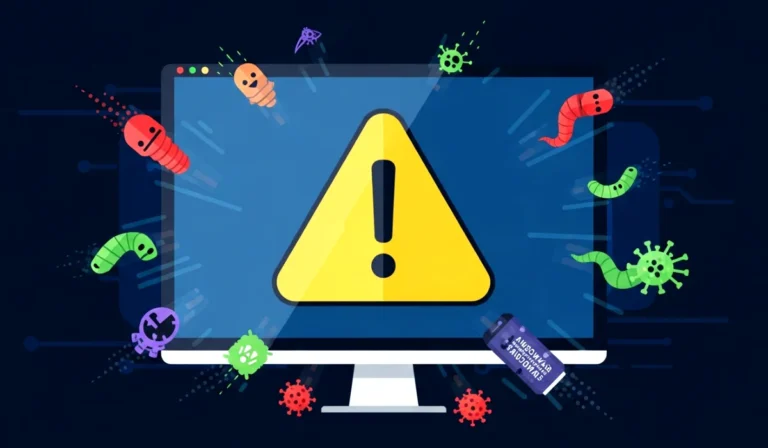
Malware means malicious software created to harm systems, steal data, or spy on users. It is one of the oldest and most common cyber attacks.
Malware usually enters a system through infected files, fake downloads, email attachments, or unsafe websites. Once installed, it can slow down the system, steal information, or give hackers full control.
Common malware types include viruses, worms, trojans, spyware, and adware. Malware attacks are dangerous because users often install them unknowingly.
Real impact includes stolen passwords, damaged files, system crashes, and financial loss.
2. Phishing Attacks
Phishing is a social engineering attack where attackers trick people into giving sensitive information such as passwords, bank details, or OTPs.
Attackers usually send fake emails, messages, or websites that look real. These messages often create fear or urgency, such as account suspension or fake rewards.
Phishing works because it targets human trust rather than system weakness. Even strong security fails if a user clicks the wrong link.
Modern phishing also happens through SMS, social media, and fake customer support calls.
3. Ransomware Attacks
Ransomware is a type of malware that locks or encrypts data and demands money to restore access.
Once infected, users cannot access their files, photos, or databases. Attackers demand payment, usually in cryptocurrency, and threaten permanent data loss.
Hospitals, schools, and businesses are common victims because they depend heavily on data availability.
Paying the ransom does not guarantee data recovery and often encourages further attacks.
4. Denial of Service Attacks
A Denial of Service attack attempts to make a website or service unavailable by overwhelming it with traffic.
When multiple systems attack together, it becomes a Distributed Denial of Service attack.
These attacks do not steal data but cause service downtime, revenue loss, and reputation damage.
Online stores, streaming platforms, and news websites are frequent targets, especially during peak traffic times.
5. Man in the Middle Attacks
In this attack, a hacker secretly intercepts communication between two parties.
This often happens on public WiFi networks where attackers can spy on data transfers. Login credentials, messages, and financial data can be captured.
Users think they are communicating securely, but the attacker is silently watching or modifying data.
Encryption helps reduce this risk, but unsafe networks remain a major threat.
6. SQL Injection Attacks
SQL injection targets databases by inserting malicious queries into input fields.
When websites fail to validate user input properly, attackers can access, modify, or delete database data.
This attack can expose usernames, passwords, customer data, and internal records.
Even small websites are at risk if proper coding and database security are not followed.
7. Cross Site Scripting Attacks
Cross Site Scripting attacks inject malicious scripts into trusted websites.
When users visit such pages, the script runs in their browser and can steal cookies or redirect users.
These attacks mainly affect users, not servers, making them harder to detect.
Web developers must sanitize input and output properly to prevent such attacks.
8. Password Attacks
Password attacks aim to crack or steal login credentials.
Common methods include brute force attacks, dictionary attacks, and credential stuffing using leaked data.
Weak passwords make these attacks successful. Reusing passwords across sites increases risk.
Once attackers gain access, they can impersonate users and cause serious damage.
9. Insider Threats
Not all cyber attacks come from outside. Insider threats involve employees or trusted individuals misusing access.
This may be intentional or accidental. Examples include sharing passwords, downloading sensitive data, or installing unsafe software.
Insider attacks are difficult to detect because users already have legitimate access.
Strong access control and monitoring are essential to reduce this risk.
10. Zero Day Attacks
Zero day attacks exploit unknown software vulnerabilities.
Developers are unaware of these flaws, so no patch exists when the attack happens.
These attacks are highly dangerous and often used in advanced cyber espionage.
Once discovered, software updates are released, but damage may already be done.
11. Supply Chain Attacks
Supply chain attacks target trusted software providers or service vendors.
Instead of attacking the main target directly, hackers compromise a third party.
When updates or software are distributed, malware spreads to all connected users.
This attack shows that trust relationships can become major security risks.
12. Social Engineering Attacks
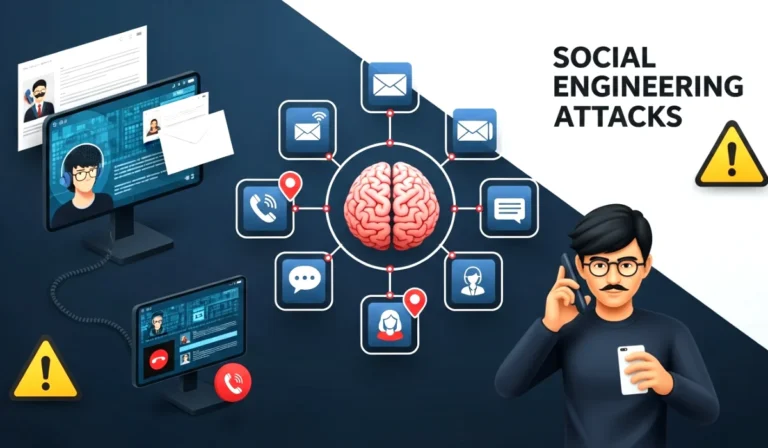
Social engineering manipulates human behavior rather than technology.
Attackers use emotions such as fear, curiosity, or urgency to trick victims.
Examples include fake support calls, fake job offers, and impersonation attacks.
Awareness and training are the strongest defenses against social engineering.
Why Understanding Cyber Attacks Matters
Cyber attacks are not just technical problems. They affect privacy, finances, mental peace, and even national security.
Knowing how attacks work helps users make smarter decisions online. Awareness reduces risk more than any software alone.
Every internet user plays a role in cyber security.
Practical Safety Tips
Always update software and systems regularly
Use strong and unique passwords
Enable two factor authentication
Avoid unknown links and attachments
Do not trust urgent messages blindly
Use secure networks and VPNs
Backup important data regularly
Final Thoughts
Cyber attacks are constantly evolving, but their core methods remain understandable. By learning the types of cyber attacks, users gain power over fear and confusion.
This guide is designed to be practical, original, and easy to understand. Whether you are a beginner, student, blogger, or professional, this knowledge helps protect your digital life.
Cyber security is not about panic. It is about awareness, responsibility, and smart habits.