
Cyber Security Explained In Simple Words For Beginners
Have you ever clicked a random link and suddenly felt nervous that something might be wrong with your phone or laptop? I think we have all had that moment. Even I remember one night when I got an email that looked exactly like a bank message. Same colors, same font, same vibe. For two seconds I thought it was real. Only after looking closely I noticed a tiny spelling mistake. That one little detail saved me from giving away my bank password. That small incident is what pushed me to learn about cyber security and trust me, once you understand it in simple words, it feels like learning everyday street smart skills for the internet.
Now let’s dive deeper into this topic and make cyber security feel easy, friendly, and practical for your daily life.
What Is Cyber Security
Cyber security is the practice of protecting your devices, online accounts, personal information, and digital activities from attacks and misuse. Think of it as locking the doors of your digital house. When you keep your phone, laptop, social media, bank apps, and other online spaces safe, that is cyber security.
People often think cyber security is only for big companies but honestly it has become a daily life need. Anyone with a phone or an email address is already a target for hackers. The good news is that protecting yourself does not require complicated knowledge. It simply starts with awareness and small habits that build a strong digital shield around you.
Cyber security covers many important areas like safeguarding passwords, stopping viruses, avoiding fake links, protecting credit card details, and keeping your identity safe. In simple words it is the art of staying safe online just like you stay safe in real life.
Why Cyber Security Matters Today
We live in a time where almost everything connects to the internet. Shopping, work, studying, friendships, entertainment, banking, and even ordering food are happening within our devices. This makes life easy but it also opens doors for cyber criminals who use tricks to steal information.
Here is something surprising. Many cyber attacks do not look like attacks at all. They often feel like normal emails, normal messages, normal websites, or normal downloads. This is why beginners get confused and fall into traps.
Cyber security matters today for many reasons.
- Your personal data can be sold online
- Hackers can steal your money or identity
- Fake websites can capture your login details
- Malicious files can damage your system
- Social media accounts can be taken over
- Companies lose trust and money due to breaches
- Even small mistakes can create big problems later
Another important point is that cyber attacks have become smarter. Hackers now use artificial intelligence, deepfake voices, realistic emails, and social engineering tricks. They study human behavior and use psychology to fool people instead of only using technical methods. This is exactly why cyber security is not optional anymore. It is essential for everyone.
Types Of Cyber Threats You Should Know
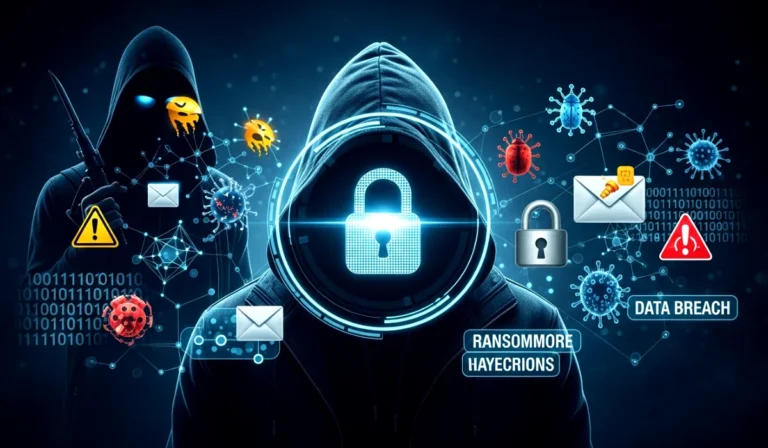
Let us talk about the most common cyber threats that beginners should recognize. Knowing the enemy is the first step in staying safe.
Phishing
This is when someone pretends to be a trusted company or person to make you click a link or share sensitive information. Those fake bank emails and reward messages are classic examples.
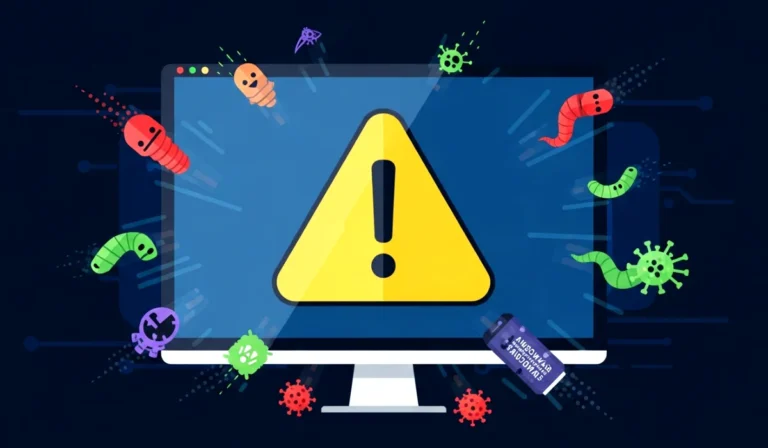
Malware
This includes harmful software like viruses, worms, spyware, trojans and ransomware. Malware can slow down your device, steal files, or lock your system until you pay money.
Ransomware
Hackers lock your computer or files and demand payment to release them. Many businesses and even hospitals have suffered from this.
Password Attacks
If you use simple passwords like 12345 or your name with birth year, hackers can guess them easily. They use software that tries thousands of combinations within seconds.
Identity Theft
This happens when someone steals your personal information and pretends to be you. They can open accounts, make purchases, or access sensitive data under your name.
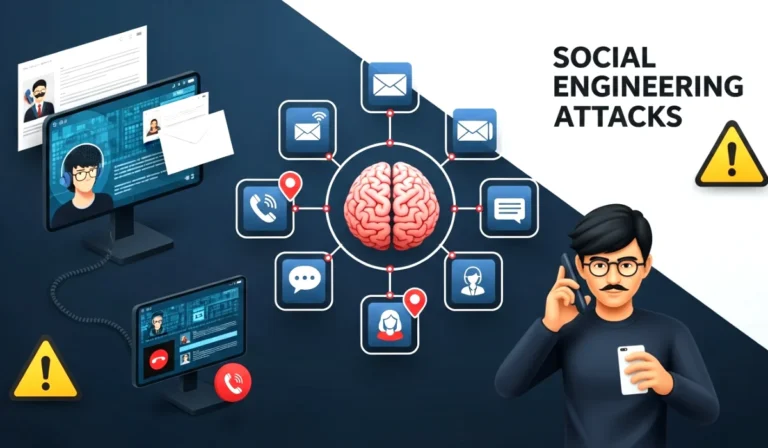
Social Engineering
Hackers trick you into trusting them. They may call you pretending to be a bank officer or message you pretending to be your friend who needs help.
Fake Apps And Websites
These look real but are designed to steal your information or install harmful software.
Understanding these threats makes cyber security feel much clearer and gives you the confidence to protect yourself.
Simple Examples Of Cyber Security In Daily Life
Cyber security is happening around you even if you do not notice it.
Here are a few examples that will make the idea simple.
Imagine you receive a message saying you won a free phone. Your common sense instantly tells you something feels wrong. That moment of awareness is the first layer of cyber security.
When you lock your phone with a PIN or fingerprint you are practicing cyber security.
When you avoid connecting to unknown public wifi networks because you think someone might steal your data you are using cyber security instincts.
If you ever updated your phone because it was showing a security patch notification that update was cyber security working to fix vulnerabilities in your device.
If your bank sends you an OTP for every transaction that is a security method to protect your money.
Small actions like these create a strong wall around your digital life. Cyber security is not only technical. It is also emotional. It is about trusting your instincts and slowing down before clicking something suspicious.
Best Cyber Security Practices For Beginners
This is the part everyone loves because it gives clear steps anyone can follow. These tips are simple yet powerful. You do not need to be an expert to apply them.
Use Strong And Unique Passwords
Your password should not be your name, phone number, pet name, or anything predictable. Use a mix of letters numbers and symbols. Make each account have a different password so even if one gets leaked the rest stay safe.
Turn On Two Factor Authentication
This adds an extra layer of security by requiring a code sent to your phone or generated in an app. Even if someone gets your password they cannot access your account without the second step.
Update Your Device Regularly
Updates fix security holes. Outdated software is the easiest way for hackers to enter your device.
Do Not Click Unknown Links
If you receive messages from unknown numbers or suspicious emails avoid opening links or downloading files. Many attacks start with a single careless click.
Use Antivirus And Firewall
These tools detect and block harmful software. They work quietly in the background to protect your device.
Avoid Public Wifi For Sensitive Tasks
Public networks are not safe. Avoid logging in to bank accounts or sensitive apps when connected to them.
Back Up Your Data
Always keep an extra copy of your important files. If something happens to your device you can recover your data easily.
Be Careful On Social Media
Do not share too much personal information. Hackers can use your details to guess passwords or trick your contacts.
The more consistent you are with these habits the stronger your cyber security becomes.
How Businesses Use Cyber Security
Cyber security is not only for individuals. Businesses rely on it every single day to keep operations smooth and trustworthy.
Companies use advanced tools to monitor systems detect attacks and protect customer data. They hire cyber security experts who study hacker behavior and build protective strategies. Secure payment gateways, encrypted communication, strict access control, employee training, and compliance rules such as GDPR are all part of business level cyber security.
If you walk into any modern office you will see employees scanning ID cards, connecting to private networks, or using VPNs. These are not random rules. They are cyber security measures designed to prevent attacks that can cost millions.
Businesses also invest in regular audits and penetration testing where ethical hackers try to break into the system to find weaknesses. This helps companies fix problems before real hackers exploit them.
Future Of Cyber Security
The future of cyber security looks exciting and challenging at the same time. Technology is growing fast and so are cyber threats. Artificial intelligence, smart homes, wearable devices, cloud storage, and online transactions will continue to expand which means the digital world will need stronger protection.
In the future cyber security will include more automated tools that detect attacks faster than humans. We will see advanced AI security systems, biometric verification, zero trust architecture, and smarter fraud detection. At the same time cyber criminals will use AI to create more realistic scams so awareness and education will be more important than ever.
If you are considering a career in technology the cyber security field is full of opportunities. There will always be a need for professionals who can protect networks, study threats, and design secure systems.
Final Thoughts On Cyber Security
Cyber security is not something only tech experts need. It is a life skill for anyone who simply uses a phone or internet. You do not have to understand complicated codes or technical terms. You only need to follow smart habits, trust your instincts, and stay aware of common threats.
If you take one lesson from this guide let it be this. Every click matters. Every password matters. Every update matters. Small decisions create powerful protection.
So start today. Check your passwords. Enable two factor authentication. Avoid clicking unknown links. Make cyber security a natural part of your daily routine. Your future self will thank you for it.


One Comment